SCOTUS FOCUS
Are paid petitions for certiorari in decline — again?
As Supreme Court watchers look ahead to next term, one small detail to monitor will be the number of paid petitions for certiorari filed at the court.
6 articles
As Supreme Court watchers look ahead to next term, one small detail to monitor will be the number of paid petitions for certiorari filed at the court.
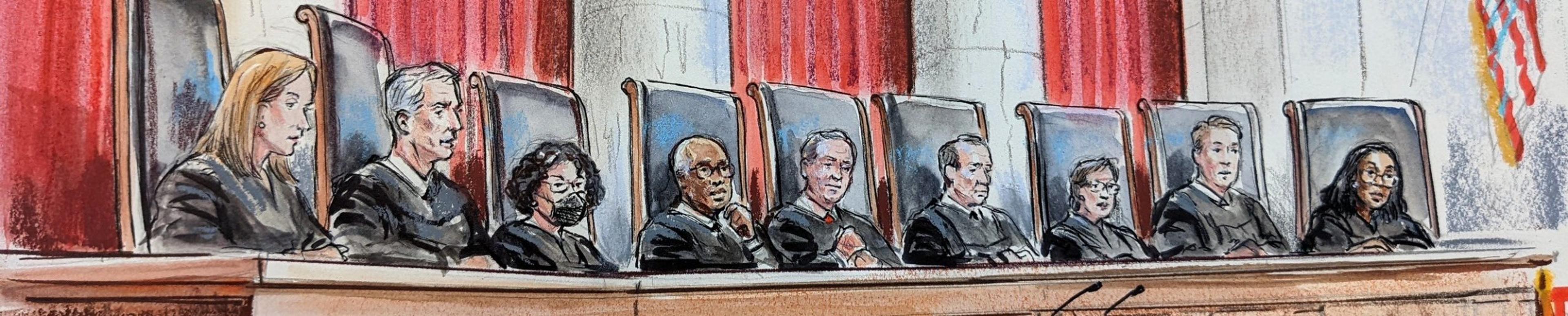
In the first three months of the 2022-23 term, the Supreme Court’s newest member, Justice Ketanji Brown Jackson, was by far the most active participant in oral arguments, according to an analysis of the written transcripts for the 27 cases the court has heard so far.
When the Supreme Court ended the constitutional right to abortion in Dobbs v. Jackson Women’s Health Organization, the justices collectively wrote more than 200 pages of opinions. Justice Samuel Alito’s 35,631-word majority opinion spanned 108 pages (including appendices).
One year ago, the Supreme Court had just ended a term of transition. Justice Amy Coney Barrett had replaced Justice Ruth Bader Ginsburg, cementing a 6-3 conservative majority.
For obvious reasons, the Supreme Court’s decision on Monday to grant certiorari in a pair of cases challenging race-based affirmative action in higher education drew major headlines.
Regular readers of SCOTUSblog know that in addition to flyspecking the Supreme Court’s docket most weeks to identify cert petitions that the justices are considering repeatedly at consecutive conferences (a practice called “relisting” cases), we periodically crunch the numbers to determine what relisting portends about what the court is likely to do with those cases it has relisted.