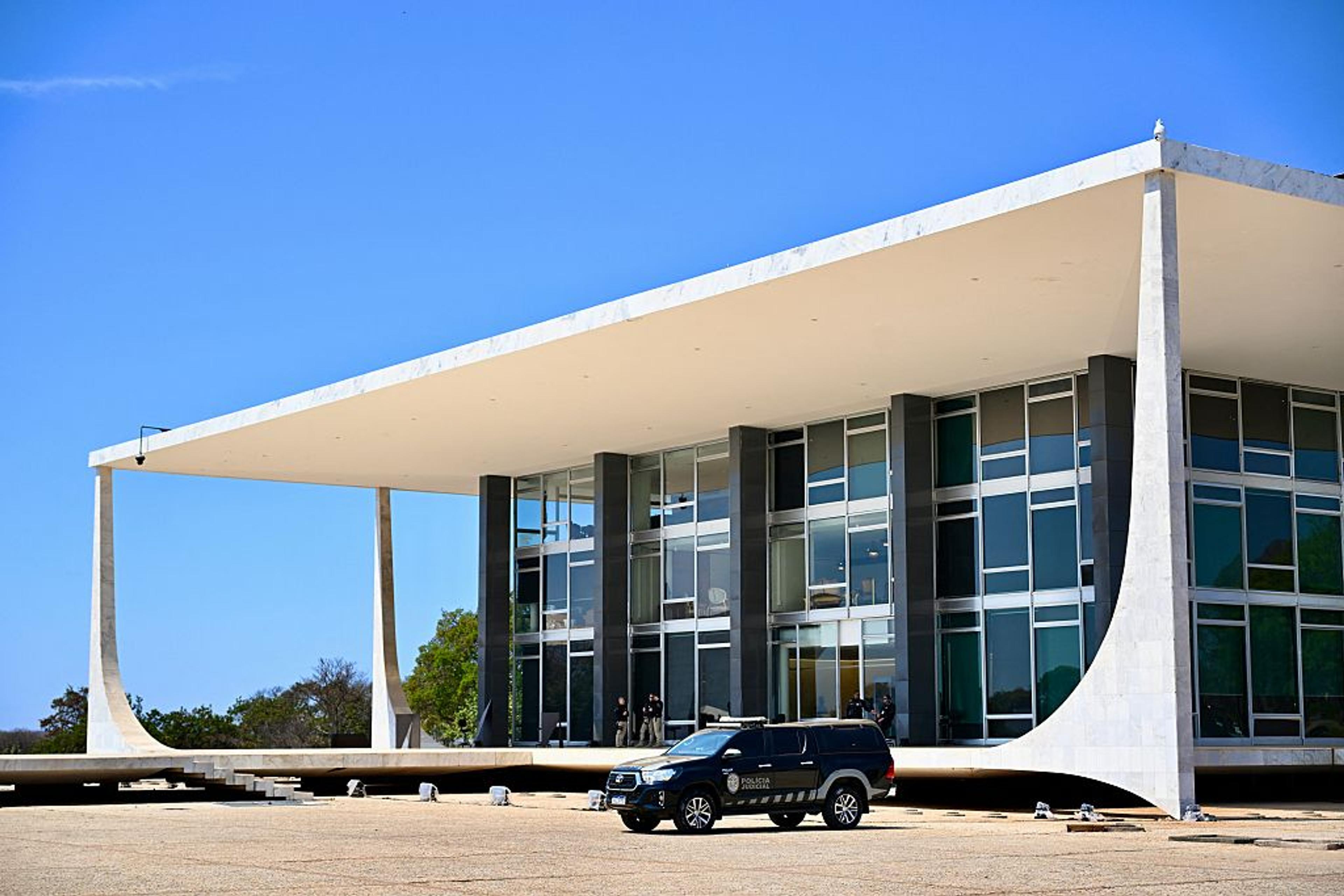
Supreme Courts Around the World
The Brazilian Federal Supreme Court
Welcome to SCOTUSblog’s recurring series in which we interview experts on different supreme courts around the world and ask about how they compare to our own.
91 articles
Welcome to SCOTUSblog’s recurring series in which we interview experts on different supreme courts around the world and ask about how they compare to our own.
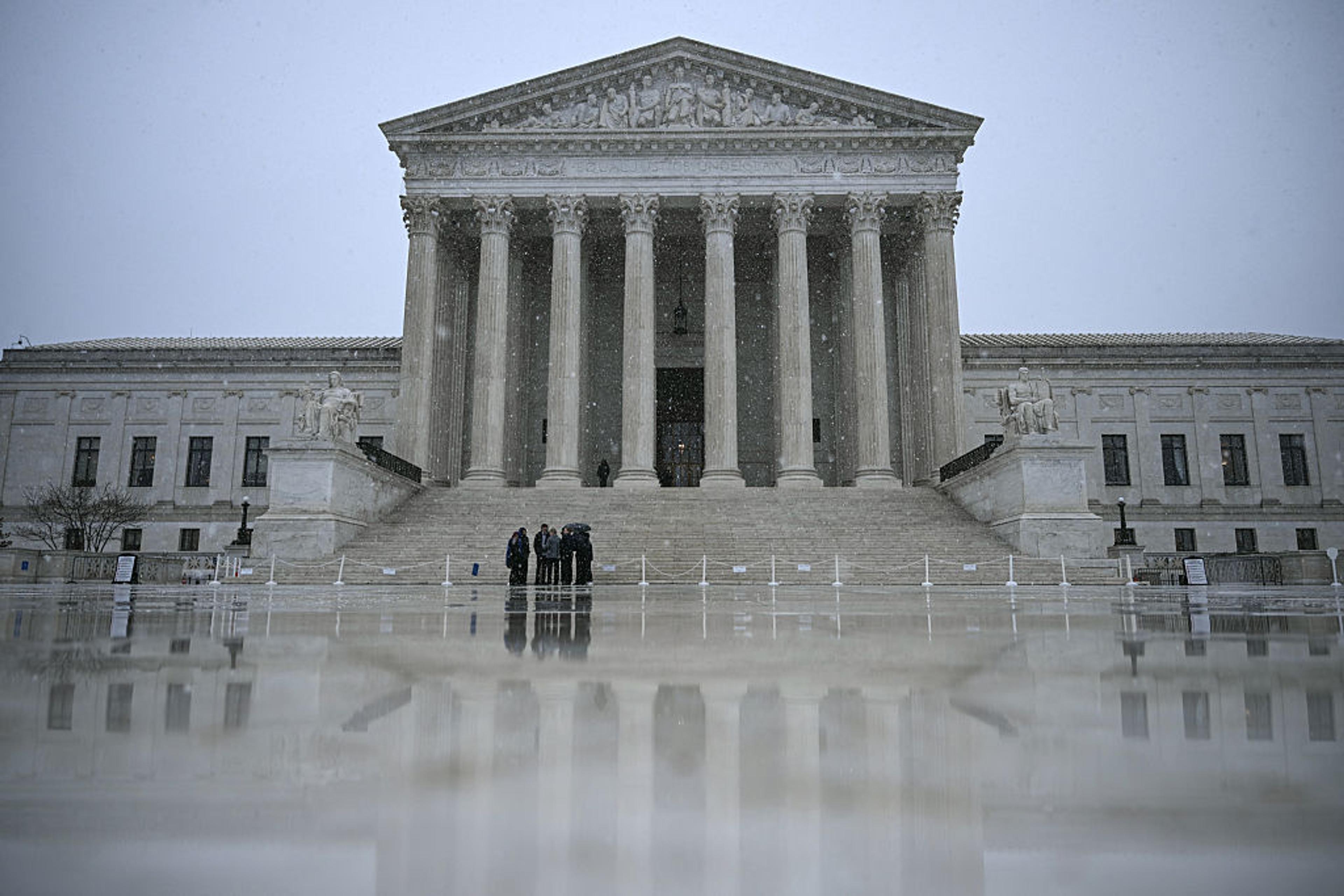
When the justices meet for their private conference on Friday, April 17, they will consider a petition for review filed by a Catholic preschool in Colorado, challenging its exclusion from that state’s universal preschool program.
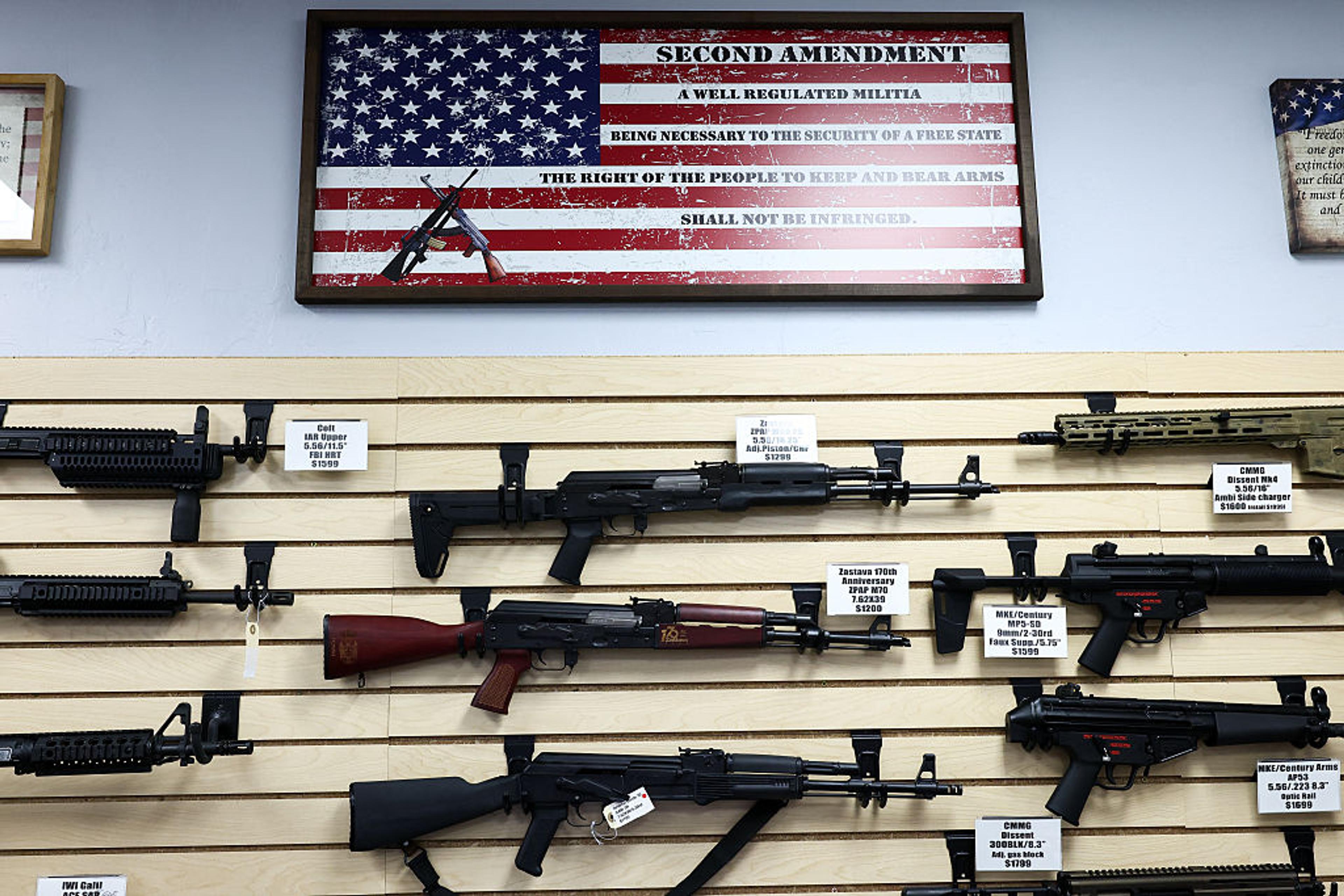
The Second Amendment states that “[a] well regulated Militia, being necessary to the security of a free State, the right of the people to keep and bear Arms, shall not be infringed.” As both critics and supporters of the amendment recognize, little of that language is particularly straightforward.
One of the more frequent questions we get here at SCOTUSblog is how the court decides which cases to review on the merits – that is, to have additional briefing and oral argument on, followed by a written opinion.
In early January, as the country eagerly awaited a tariffs ruling that – as it turned out – was still more than a month away, Supreme Court watchers raised concerns about the court’s pace.
By now, readers of SCOTUSblog are quite familiar with the Supreme Court’s emergency docket, where parties come to the court seeking emergency orders, oftentimes without full briefing and oral argument. Much of the discourse surrounding this docket centers on its opacity.
As much of the legal media (including SCOTUSblog) reported last month, Chief Justice John Roberts offered some rare public remarks in an appearance at Rice University, rebuking personal attacks on judges. “Personally directed hostility is dangerous,” he said, “and it’s got to stop.” The comments
Welcome to SCOTUSblog’s recurring series in which we interview experts on different supreme courts around the world and how they compare to our own.
The Supreme Court announced last week that it will hear argument in late April on the Trump administration’s effort to remove protected immigration status from Syrian and Haitian nationals.
Welcome to SCOTUSblog’s recurring series in which we interview experts on different supreme courts around the world and how they compare to our own.
Last month, the Supreme Court ruled that the International Emergency Economic Powers Act, a 1977 law giving the president the power to regulate commerce during national emergencies created by foreign threats, did not give President Donald Trump the authority to impose sweeping tariffs in a series of 2025 executive orders.
During a roundtable at the White House on Friday, March 6, President Donald Trump returned to what has become a familiar refrain in the weeks since the Supreme Court struck down his signature tariffs: He railed against the justices for interfering with his policy plans, accusing the court of