Justices seem receptive to SEC’s use of disgorgement in securities enforcement

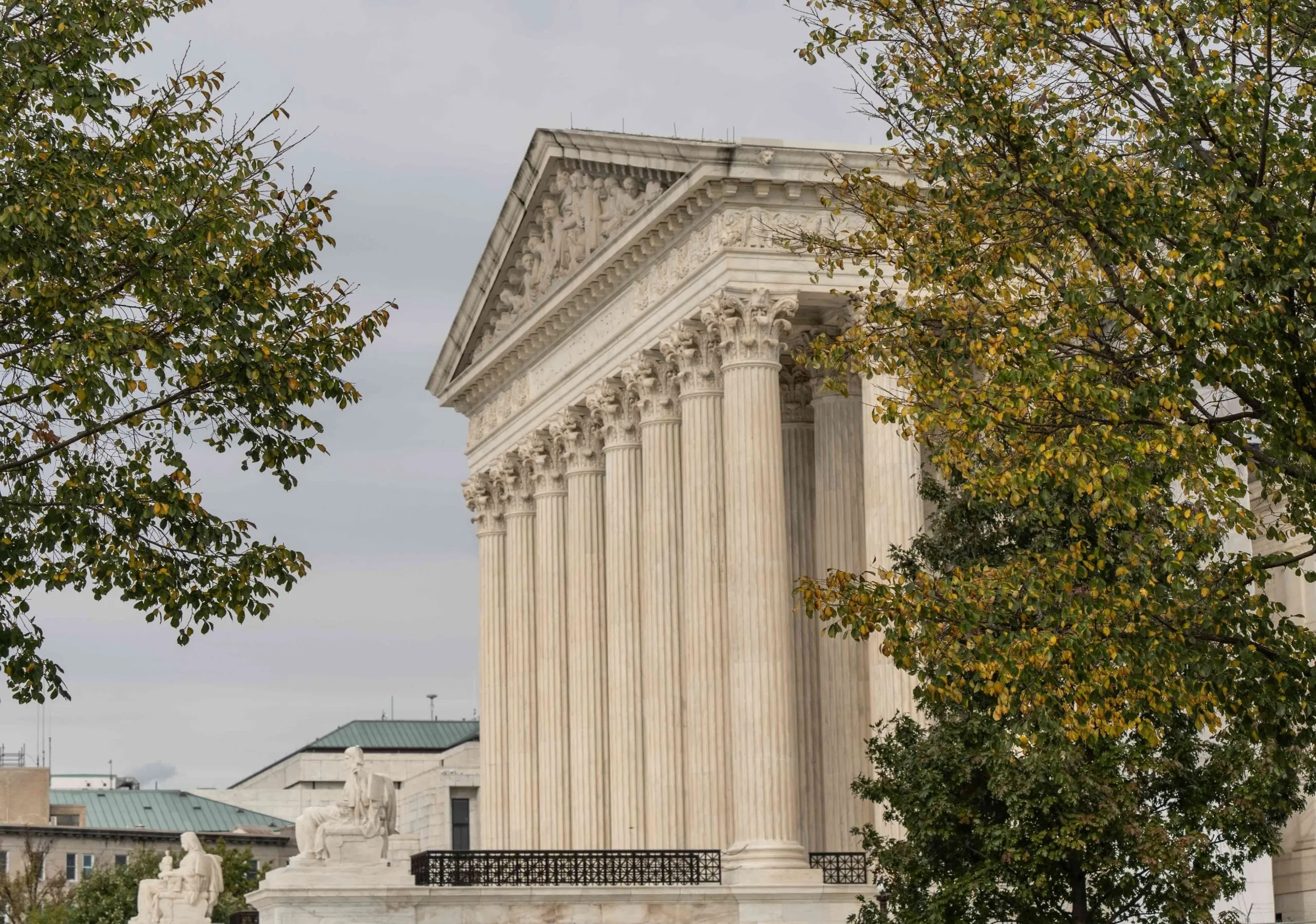
Yesterday’s argument in Sripetch v SEC suggested something that has not happened in a lot of the court’s recent cases – a Supreme Court decision rejecting a challenge to the Securities and Exchange Commission’s exercise of its remedial powers. The specific question here is whether the SEC can use “disgorgement” to force a wrongdoer to turn over its profits to the government without showing harm caused to the wrongdoer’s customers, and most if not all of the justices seem just fine with that understanding of disgorgement.
The facts of the case illustrate the issue well. Ongkaruck Sripetch pleaded guilty to selling unregistered securities, for which he was sentenced to 21 months’ imprisonment. It is difficult to know exactly how much the securities violations cost his customers, which depends on whether they would have bought the stocks if he had complied with securities laws and how much profit or loss they made on them. But the SEC could prove that he made $6 million in profits from the unlawful transactions, and on that basis the lower courts obligated Sripetch to pay $6 million to the SEC under a recently enacted statute authoring the SEC to seek “disgorgement” from wrongdoers.
At argument, most of the justices who spoke to the topic seemed to think that the recovery fell within the plain meaning of the term “disgorgement,” as they repeatedly emphasized that the SEC’s order did nothing more than require Sripetch to turn over his “ill-gotten gains.” Daniel Geyser (representing Sripetch) argued that the justices should regard the recovery as a “penalty” beyond the scope of the “disgorgement” that the statute authorizes if the SEC could not prove that he had harmed his customers, but that argument gained little traction. As Justice Ketanji Brown Jackson commented, “I could see a fine or a punishment if the defendant is actually paying out of his pocket some money that was rightfully his. That’s a punishment. But if we’re just disgorging his ill-gotten gains, … I’m not sure I understand why that’s a punishment.” In almost the same words, Justice Amy Coney Barrett asked, “[i]f all you’re taking away is the ill-gotten gains, so they’re the proceeds that the wrongdoer isn’t entitled to in the first place, … why would that necessarily be a penalty?”
The justices also pressed Geyser on how to reconcile his position with traditional equitable principles about what “disgorgement” might include. Jackson, for example, commented that she “didn’t see any case … that suggests that pecuniary harm was a requirement [under traditional equitable principles].” Similarly, Justice Sonia Sotomayor, the author of Liu v SEC, the most recent case in the area, characterized Geyser as arguing that the “slew of common law cases … where lost profits were [a] measure … that those were all wrong?” Apparently taking the same view, Justice Brett Kavanaugh offered Geyser an opportunity “to respond to the amicus brief of Professor [Douglas] Laycock and the other[ ] [remedies scholars] … Because they say you’re really quite wrong about the first principles.”
It wasn’t all smooth sailing for Malcolm Stewart (arguing the case for the SEC). Justice Neil Gorsuch in particular seemed quite opposed to the idea that the SEC could collect this type of remedy without a jury trial unless it was going to return the money to the victims. Still, Gorsuch did seem to agree that the jury problem is neither presented nor even particularly relevant to the questions for decision in this case.
Perhaps Sotomayor will want to write the opinion, having written the latest ruling on this subject. But whether or not she writes, it is difficult to see a majority reversing the SEC’s recovery here.
Posted in Court News, Featured, Merits Cases
Cases: Liu v. Securities and Exchange Commission, Sripetch v. Securities and Exchange Commission