
SCOTUS for law students: Still deciding in July
By law, the Supreme Court term begins on the first Monday in October. By custom, the justices finish their work in late June (although the term does not technically end until the next term begins).
82 articles
By law, the Supreme Court term begins on the first Monday in October. By custom, the justices finish their work in late June (although the term does not technically end until the next term begins).
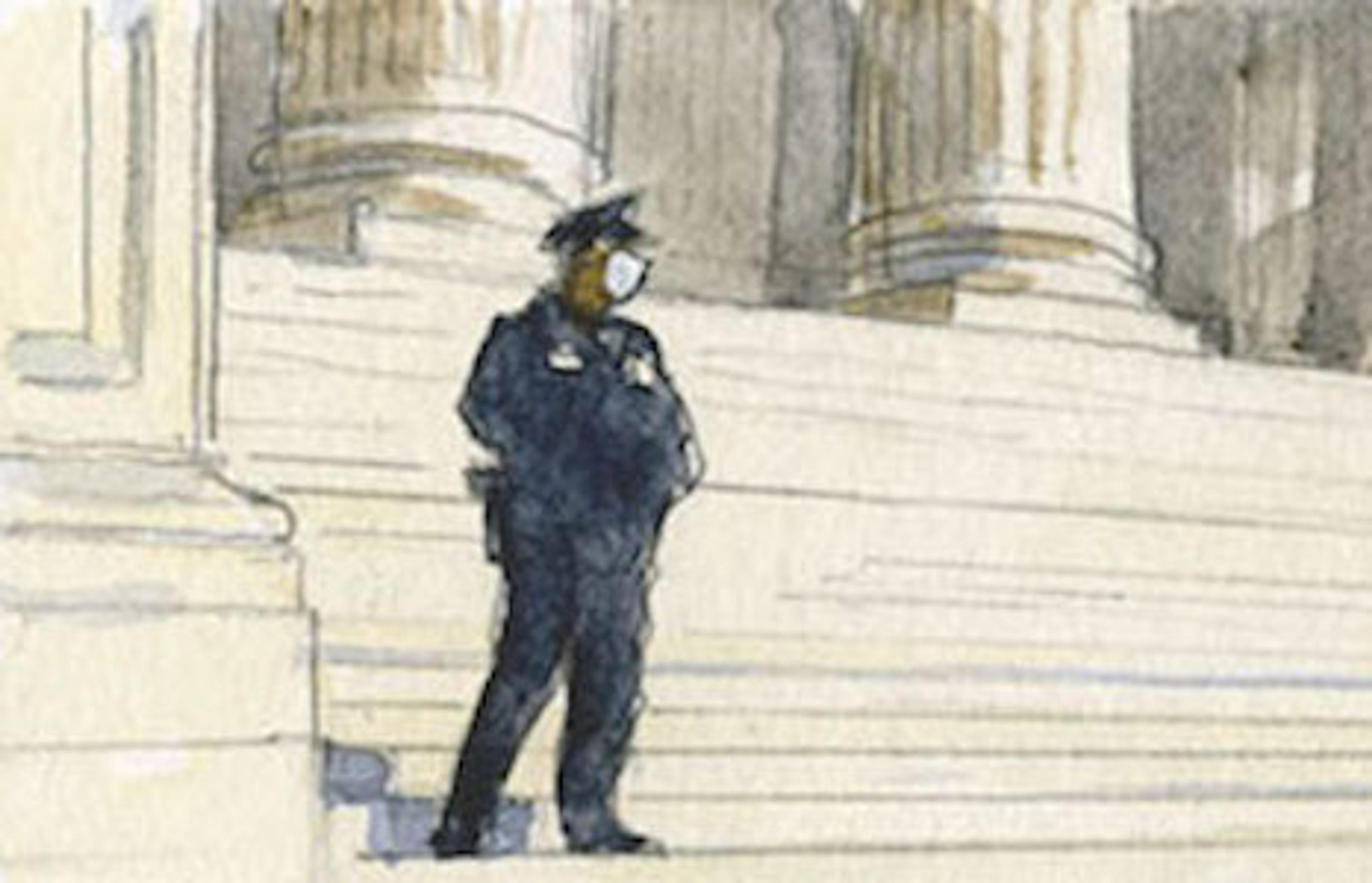
Live teleconference oral arguments have been the most visible sign of the impact of the COVID-19 pandemic on the Supreme Court, and they have prompted copious coverage and commentary.

Death penalty cases have long been among the most difficult and divisive for the Supreme Court. With the possibility that federal executions may resume this year for the first time since 2003, the court’s role in these cases may grow even more complex.
When the Supreme Court brought down the curtain on its 2018 term last June, an important, heated debate divided the justices over when to overrule constitutional precedent and when to follow it. As the justices return to the bench next week, the debate is certain to continue.
Mootness is not often the stuff of headlines. But a current dispute over Second Amendment rights and a New York City gun regulation has put mootness in the spotlight.
Suppose the federal courts run out of money in the current federal government shutdown? What happens to the Supreme Court? The answer is that the Supreme Court will continue to perform its essential functions, including processing petitions, hearing oral arguments and deciding cases.
Shortly before his death in 1826, President John Adams was quoted as saying, “My gift of John Marshall to the people of the United States was the proudest act of my life.” Adams was one of the earliest exponents of the view that nominations to the Supreme Court form a very important part of any president’s legacy.
Even before Justice Brett Kavanaugh replaced Justice Anthony Kennedy this fall, some commentators were suggesting that liberals might want to avoid appealing cases to the increasingly conservative Supreme Court. “If you are liberal,” wrote Ian Millhiser of the Center for American Progress in 2014,
Supreme Court confirmation hearings in the Senate Judiciary Committee are not usually a place one looks for legacies. Yet a number of hearings have left their mark on the Supreme Court nomination process. Add the confirmation of Justice Brett Kavanaugh to that list.
In the month of June, when the Supreme Court issues dozens of decisions to conclude its term, who would not want to be a fly on the wall inside the conference of the justices trying to understand what compromises were made or why cases came out as they did?
Justice Ruth Bader Ginsburg may be the most “notorious” Supreme Court justice, but she is not the first to achieve some media celebrity while a sitting justice.
Here’s a quick quiz: When does 6 plus 1 not necessarily add up to 7? Counting vote totals can sometimes be a challenge at the Supreme Court, especially when the justices write separate opinions that take different forms and reach different conclusions.