Supreme Court updates recusals process

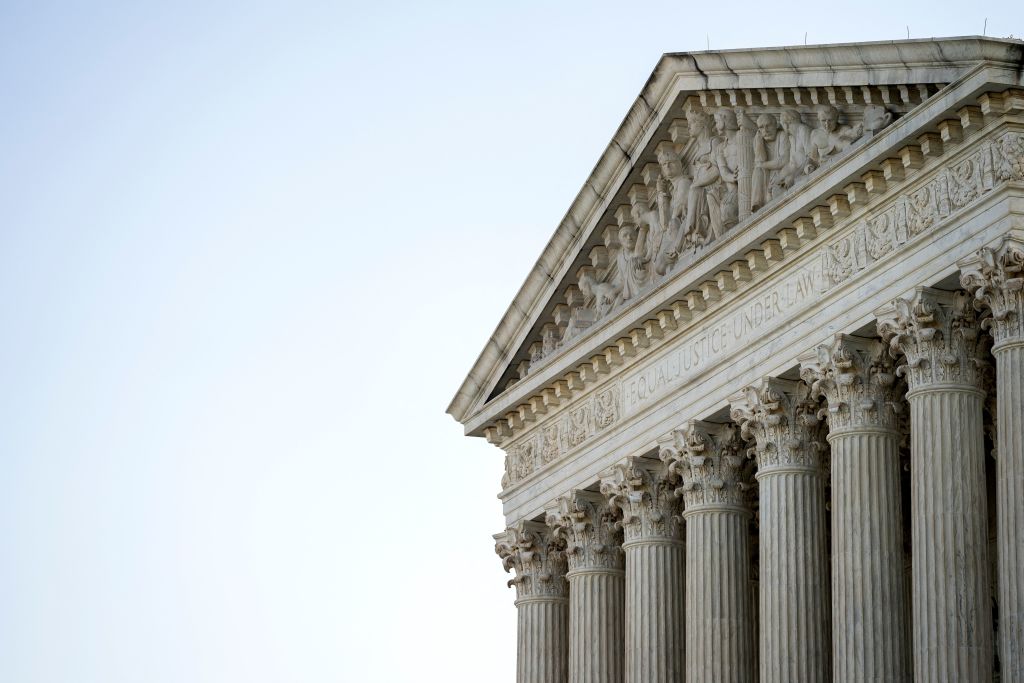
The Supreme Court on Tuesday revealed that it has put new software in place to “assist in identifying potential conflicts” of interest for the justices. In a press release issued by its Public Information Office, the court announced changes to its rules – which, it explained, are generally “designed to support operation” of that software.
More than two years ago, the Supreme Court issued a long-awaited ethics code. In the commentary to that code, it noted that “the Chief Justice has directed Court officers to undertake an examination of” the procedures used by other federal and state courts to determine (among other things) when judges must recuse themselves from particular cases based on conflicts of interest. “For example,” the commentary observed, “some district courts and courts of appeals have deployed software to run automated recusal checks on new case filings.”
The Supreme Court has now apparently adopted a similar system, which “will be used to run automated recusal checks by comparing information about parties and attorneys in a case with lists created by each Justice’s chambers.” That system, the press release explained, “was designed and created by the Court’s Office of Information Technology in cooperation with the Court’s Legal Office and Clerk’s Office” and “will serve in addition to existing conflict-checking procedures in chambers.”
To facilitate the identification of possible conflicts, the court’s rules will require filings in the Supreme Court – petitions for review and briefs on the merits, as well as briefs in opposition and forms waiving the right to respond, if necessary – to provide comprehensive lists of the litigants in the proceedings, along with their stock ticker symbols.
In a separate amendment to the rule, the court has changed the rules regarding the procedures for filing so that electronic filing now counts as filing a document on time, as long as the required paper copies are delivered or mailed to the court within three days of the electronic filing. Under the prior version of the rules, only paper documents counted for on-time filings.
According to the watchdog group Fix the Court, only Chief Justice John Roberts and Justice Samuel Alito currently own individual stocks. But Alito’s recusals have drawn attention, including in January, when he announced less than one week before the oral argument that he would not participate in a dispute over whether oil companies can be held liable for damage to the Louisiana coast. A company in which Alito owned stock indicated that it would not be participating in the case, but it remained part of the litigation in the lower court, leading to Alito’s recusal.
The changes to the rules were adopted on Feb. 17 and will go into effect on March 16.
Posted in Court News