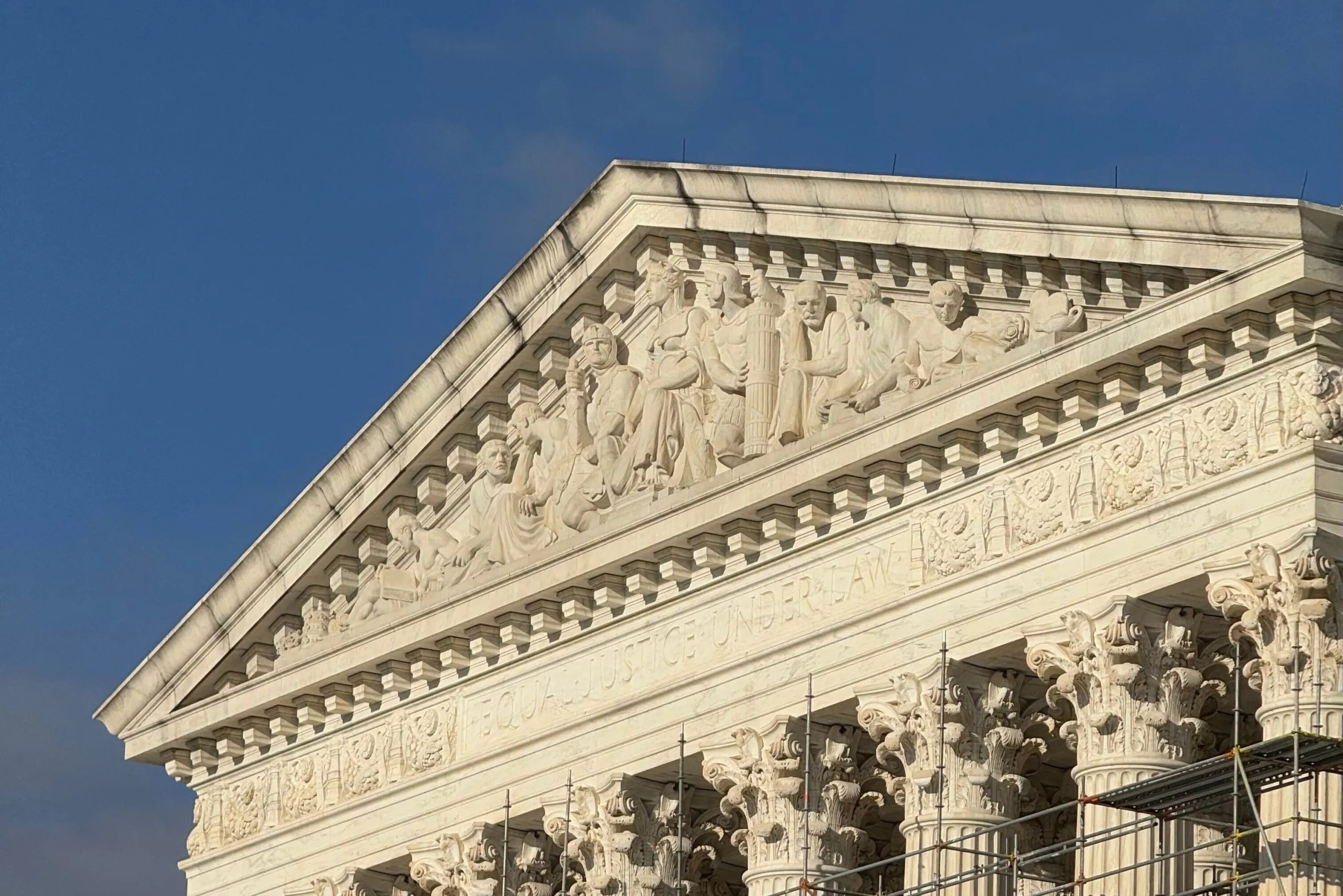


Speaking of Chief Justice John Roberts, during his public remarks a few weeks ago at Rice University’s Baker Institute for Public Policy, Roberts said the “best thing about being the chief justice” is serving as chancellor of the Smithsonian Institution. “It’s an opportunity as the chancellor for me to participate in all of these amazing things, whether it’s the oceanographic facility or the planetarium or the African American History Museum or the Air and Space Museum or the Portrait Gallery,” Roberts said. “I find it incredibly rewarding.” (The chief justice added that another major perk of his role as chancellor is being able to “see the pandas before anybody else,” especially with his children when they were young.)
But why does the chief justice have this (somewhat peculiar) role?
Congress created the Smithsonian Institution – today “the world’s largest museum, education, and research complex” – in 1846, 10 years after accepting the bequest of English scientist James Smithson. Chief justices have served as chancellors of the Smithsonian since 1851, when Chief Justice Roger Taney first filled the position. Under the Smithsonian’s charter, the chief justice and vice president are ex officio members of the board, which means they “serve as a duty of their office.” Along with the head of the judiciary and the vice president, 15 other members serve on the board under appointments (six from Congress and nine from the general public). The Board of Regents is responsible for the administration of the Smithsonian, and the chief justice runs its meetings as its presiding officer.
At one of their meetings this October (the board typically meets quarterly), Roberts first “welcomed Regents and staff and called the meeting to order” (as per usual). The board then went on to discuss a number of written reports – such as the Smithsonian’s America’s Semiquincentennial Initiative and the “deaccession and return of three Cambodian Sculptures to the Kingdom of Cambodia.”
“As chancellor, [Roberts] is known to preside over meetings with a strict focus on rules and procedures, assiduously avoiding partisan debates — a demeanor that aligns with his reputation as an institutionalist and incrementalist jurist,” a June New York Times article noted. That’s not to say the position isn’t without its drama, however. In June 2025, Roberts reportedly denied an internal recommendation by a Republican board member to fire the head of its National Portrait Gallery at the suggestion of President Donald Trump. Following this, the board released a statement that pledged the institution’s existence as an “independent entity.”