Supreme Court sends dispute on HIV disability claim back to the lower court and rejects case on defining “reasonable doubt”

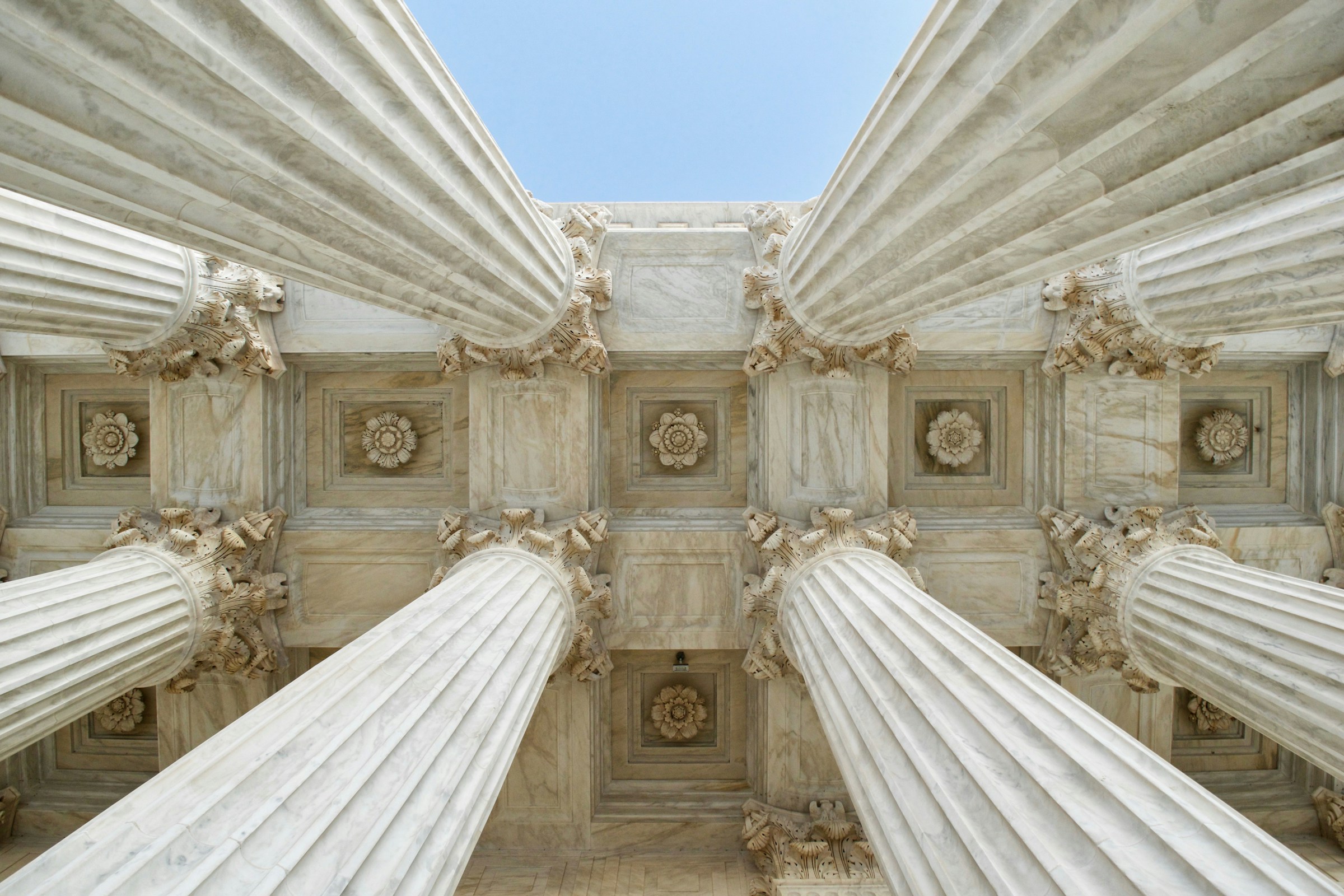
The Supreme Court on Monday sent the case of a Louisiana man who was prevented from using a physical therapy clinic’s pool because he has HIV back to the state courts for them to take another look at the man’s claim that the clinic violated federal disability laws. The brief, unsigned opinion in Doe v. Dynamic Physical Therapy was part of a list of orders released from the justices’ private conference on Friday, Dec. 5.
The justices did not add any new cases to their argument docket for the 2025-26 term. On Friday, they announced that they would weigh in on the constitutionality of President Donald Trump’s executive order banning birthright citizenship, as well as three other cases.
In the case of John Doe, the Louisiana courts dismissed his federal disability claims under state law. Specifically, they relied on a Louisiana law that gives health-care providers immunity from lawsuits during public health emergencies, such as the COVID-19 pandemic.
On Monday, the Supreme Court reversed that ruling. “Defining the scope of liability under state law is the State’s prerogative,” the two-paragraph opinion acknowledged. “But a State has no power to confer immunity from federal causes of action,” the court wrote. And even if Doe’s claims ultimately cannot go forward for other reasons, the court concluded, “that is for the Louisiana courts to decide in the first instance” based on federal law.
Additionally, the justices denied review in the case of Antonio Nathaniel Davenport, who was convicted of (among other things) federal murder charges. At his trial, Davenport asked the judge to instruct the jury on the definition of “reasonable doubt,” but the judge declined to do so, citing federal rules that – according to the judge – barred him from “defining reasonable doubt over and above what’s included in the instructions already.”
Justice Sonia Sotomayor agreed with the decision to turn down Davenport’s appeal. She noted that she had done so because Davenport had filed his petition for review too late and his lawyer “gave no explanation for delay,” but contended that the trial judge “was mistaken” in rejecting Davenport’s request for a jury instruction on reasonable doubt. According to Sotomayor, “[f]ederal courts are not prohibited from defining reasonable doubt for the jury.” “In view of the central importance of the reasonable-doubt standard to criminal procedure,” she said, “balanced against the potential for confusion from a reasonable-doubt instruction, district courts should weigh the circumstances of each individual case to decide whether to provide a definition to the jury.”
The Supreme Court also sought the Trump administration’s views on three petitions for review: Does 1-2 v. Hochul, the case of a group of New York health-care workers who were fired from their jobs after they refused to be vaccinated because of religious objections to the vaccines; Hoffmann v. WBI Energy Transmission, involving the determination of compensation in private condemnations under the Natural Gas Act; and Crowther v. Board of Regents of the University of Georgia, in which the court has been asked to decide whether Title IX, a federal civil rights law that bars sex discrimination in educational programs and activities that receive federal funding, gives employees of those institutions a right to sue for sex discrimination in employment. There is no deadline for the U.S. solicitor general to file his briefs in these cases.
The court will meet for its final scheduled private conference of 2025 on Friday, Dec. 12. Orders from that conference could come as soon as Friday afternoon.
Posted in Court News, Featured
Cases: Does 1-2 v. Hochul, Hoffmann v. WBI Energy Transmission, Inc., Doe v. Dynamic Physical Therapy, LLC, Crowther v. Board of Regents of the University System of Georgia