SCOTUStoday for Tuesday, December 30

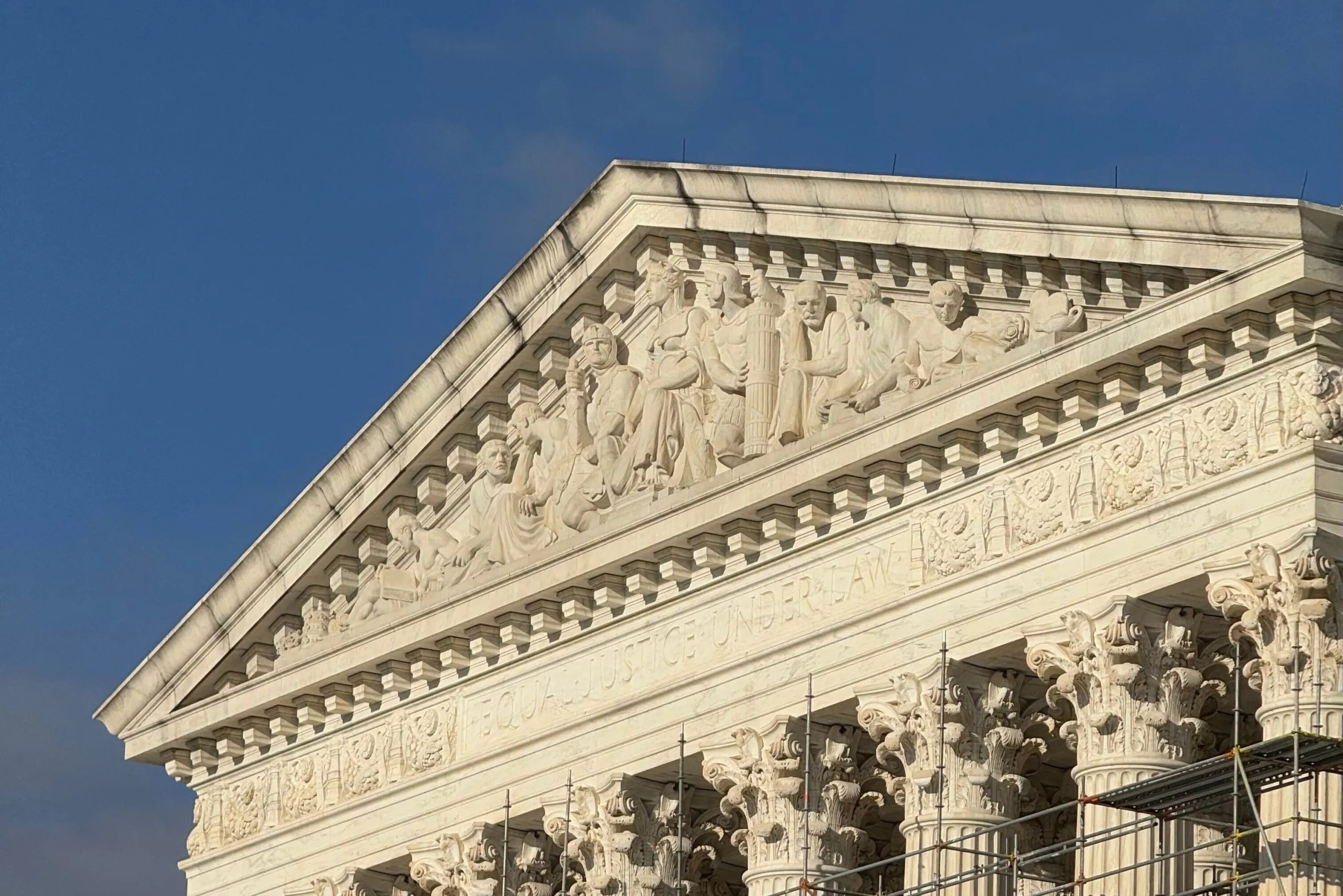
On this day in 1853, the U.S. minister to Mexico and the president of Mexico signed the Gadsden Treaty, which addressed a dispute over the location of the U.S.-Mexico border. That border plays a prominent role in an upcoming case about whether asylum seekers must cross into the United States in order to claim protections under U.S. immigration law or if it is, instead, enough for them to speak with U.S. immigration officials while still in Mexico.
This is an abridged edition of the SCOTUStoday newsletter, and we will send an abridged edition tomorrow, as well. We will then take Thursday and Friday off. We will resume our regularly scheduled programming on Monday, Jan. 5.
SCOTUS Quick Hits
- Chief Justice John Roberts is expected to release a year-end report on the federal judiciary tomorrow. Amy will be reporting on it.
Morning Reads
- The Supreme Court’s Temporary Rulings Are Having Long-Term Effects (James Romoser, The Wall Street Journal)(Paywall) — Emergency appeals to the Supreme Court from the Trump administration have been in the spotlight over the past year, and these have often proven successful. And although the court’s orders addressing those appeals were “typically couched in procedural language that indicate[d] they [were] merely temporary measures,” the consequences of those decisions were “anything but preliminary,” according to The Wall Street Journal. For example, rulings allowing the Trump administration to “roll back two programs … that had provided legal protections and work permits to immigrants whose home countries were deemed unsafe” to “take effect while the underlying legal challenges proceeded” made “hundreds of thousands of people subject to deportation—even as their legal claims are pending.”
- Samuel Alito keeps getting his way. So why does he seem so unhappy? (Joan Biskupic, CNN) — In recent years, several of Justice Samuel Alito’s dissenting opinions from the past have been transformed into the court’s majority view. And yet, “the more he wins, the testier he gets,” according to CNN. “Alito’s aggravation” regularly comes out in courtroom exchanges and separate opinions, including in cases where his view has won out or appears likely to do so, the article noted. “[W]hile some justices find it best simply to take the win, Alito has trouble shaking off criticism from dissenters or in the public sphere.”
- Richard Glossip seeks bond after nearly 30 years on death row (CJ Maclin, 2News Oklahoma) — Ten months after the Supreme Court granted former death row inmate Richard Glossip a new trial, he appeared on Monday before a new judge in Oklahoma to continue “fighting to prove his innocence for a crime he’s accused of committing almost 30 years ago,” according to 2News Oklahoma. In the short term, Glossip hopes to be released on bond as the state works to re-try him. Before the Supreme Court’s February ruling, Glossip “had been on death row for almost 30 years and was nearly executed nine times for the murder for hire of hotel owner Barry Van Treese, eating his last meal three times.”
- Revealing Other Justices’ Votes in Trump v. Illinois (Richard Re, Divided Argument) — In a post for Divided Argument, Richard Re explained why we know how each justice voted on President Donald Trump’s effort to deploy the National Guard in Illinois – “Justice Kavanaugh concurred in the judgment. And Justices Alito, Thomas, and Gorsuch wrote or joined dissenting opinions. This arrangement makes it clear that all five unnamed justices must have joined the unsigned opinion” – and considered what standards should govern how and when the full vote lineup is revealed in “shadow/interim/emergency/irregular docket cases.” He asked, “Is there something untoward, even objectionable, about allowing one justice (or one group of justices) to reveal the votes of another justice (or group of justices)?”
- Why the Supreme Court Is Giving ICE So Much Power (Nancy Gertner, The Atlantic)(Paywall) — In a column for The Atlantic, Nancy Gertner, a former federal judge, revisited two past Supreme Court decisions on immigration courts and border patrol, contending that “[a]s a result of these cases, people whose rights are violated by ICE agents have little to no recourse.” She wrote, “If a police officer kicks down your door and searches your home without a warrant, questions you without a Miranda warning, or illegally arrests you, a provision known as the exclusionary rule may prevent the evidence gathered through those tactics from being admitted in your prosecution. And if you happen to be acquitted, you can sue for damages. None of that is true when it comes to ICE.”
On Site
Contributor Corner

How deferential is the Roberts court to presidential power?
In his latest Empirical SCOTUS column, Adam Feldman investigated whether empirical data supports a claim that’s often made about the Roberts court: that it’s overly deferential to executive power. “The data,” Feldman concluded, “present a more nuanced picture than recent commentary might suggest.”

Skrmetti and birth equality (Part V): How the case should have been analyzed
In their latest Brothers in Law column, Akhil and Vikram Amar reflected on how United States v. Skrmetti, in which the Supreme Court allowed Tennessee to continue to enforce its ban on providing certain surgical or hormonal treatments to transgender minors, might have turned out if the court had applied heightened scrutiny to Tennessee’s law.
Posted in Featured, Newsletters