Introducing the Interim Relief Docket Stat Pack

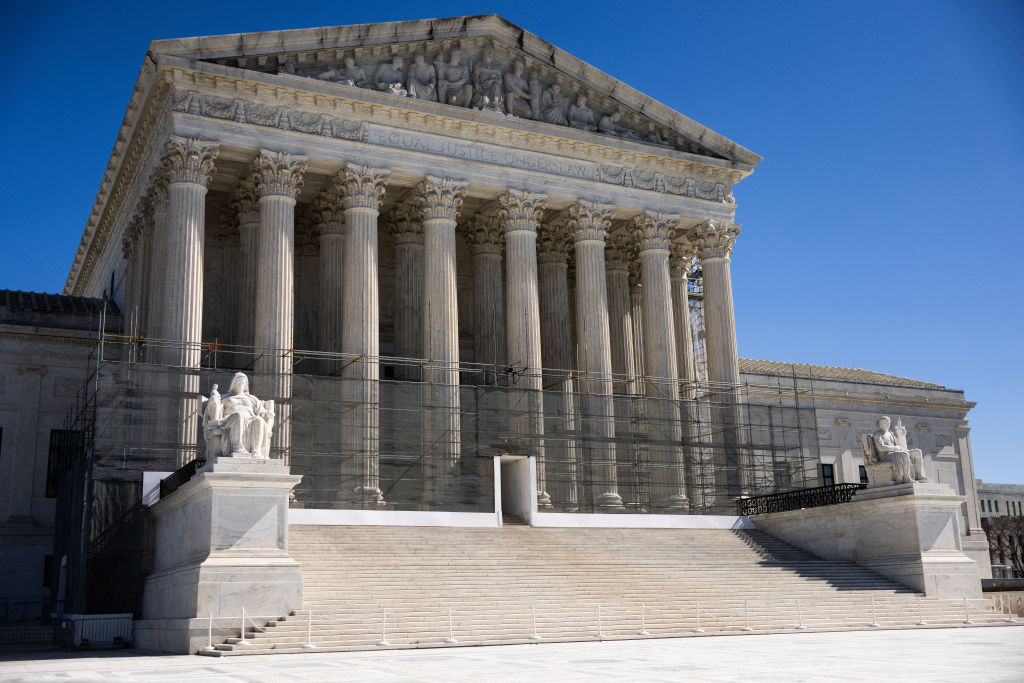
For years, scholars and commentators have tracked the Supreme Court’s merits docket through detailed statistical analyses. SCOTUSblog’s Stat Pack has become an essential resource for understanding how the justices decide cases after full briefing and oral argument. But the court’s “other” docket, the interim relief docket – also known as the emergency or shadow docket – has received far less systematic attention.
Until now.
I’m proud to introduce the first Interim Relief Docket Stat Pack, a statistical portrait of the Supreme Court’s applications for the 2024-25 term (that is, from October 7, 2024, through October 5, 2025).
What’s included
I have been collecting data on applications for relief (beginning with the court’s 2000-01 term) for several years. Based on this data, the current Stat Pack covers 136 applications filed during the 2024-25 term. These break down into three categories: 49 capital cases (requests to stay or vacate executions), 32 refiled applications (cases denied in chambers and referred to the full court), and 55 of what I call substantive applications. Of the 55 substantive applications, six were deferred for oral argument, leaving 49 for statistical analysis. That final category includes challenges to lower court injunctions, often from the administration; administrative enforcement disputes; First Amendment conflicts; and federalism questions.
The Interim Relief Docket Stat Pack tracks how the justices voted on the interim docket and in what coalitions, the timing of such decisions, issue areas, who filed what, and much more – thus providing unprecedented insight into this docket. It also includes a Term Index, which is a complete case-by-case breakdown of these applications, including docket numbers, case names, outcomes, days to decision, and noted dissents.
Some key findings
During the 2024-25 term, the court granted relief in 53% of substantive applications, more than double the 23% grant rate from the previous term. At the same time, the justices publicly disagreed in 76% of substantive cases, far exceeding the pre-2014 average of 13.5%.
Perhaps predictably, the Trump administration dominated much of the docket, filing 27 of 55 substantive applications and obtaining relief in a striking 90% of these. Yet only 9% of the Trump cases were decided unanimously – with justices typically publicly disagreeing along ideological lines.
Additionally, the interim docket has (at least partly) emerged from the shadows: written opinions accompanied 31% of substantive applications, continuing the dramatic increase from near-zero during 2015-17 and 23% in 2023.
For many more findings, please check out the Stat Pack itself, which can be downloaded below.
As this docket continues to generate increased attention and influence, this Stat Pack should serve as an invaluable resource for anyone seeking to understand the nature of the current court.
Posted in Court Analysis, Emergency appeals and applications, Featured